HISTORY OF CAMEO
Cameos are often worn as jewelry, but in ancient times were mainly used for signet rings, although the largest examples were probably too large for this, and were just admired as objects dart. Stone cameos of great artistry were made in Greece dating back as far as the 3rd century BC.
The Farnese Tazza (a cup) is the oldest major Hellenistic piece surviving. They were very popular in Ancient Rome, especially in the family circle of Augustus. The most famous stone “state cameos” from this period are the Gemma Augustea, the Gemma Claudia made for the Emperor Claudius, and the largest flat engraved gem known from antiquity, the Great Cameo of France.The technique has since enjoyed periodic revivals, notably in the early Renaissance, and again in the 18th and 19th centuries.
The Neoclassical revival began in France with Napoleon’s support of the glyptic arts, and even his coronation crown was decorated with cameos.
In Britain, this revival first occurred during King George III’s reign, and his granddaughter, Queen Victoria, was a major proponent of the cameo trend, to the extent that they would become mass produced by the second half of the 19th century.
The visual art form of the cameo has even inspired at least one writer of more recent times, the 19th-century Russian poet Lev Mei, who composed a cycle of six poems entitled (Cameos, 1861), as reflections on each of the Roman rulers from Julius Caesar to Nero.
In 1852 Théophile Gautier titled a collection of his highly polished, lapidary poems Emaux et Camées (Enamels and Cameos).
TAMMARO STORY
The carving of stone, and precious corals and shells. When in 1851 my grant grand father Andrea opens his first work shop In the old city of Naples Italy, the machine he used to cur the shells and stone was hand operated. The young shop assistant would crank the weal while the apprentice pour she water slowly over it to keep it cool.
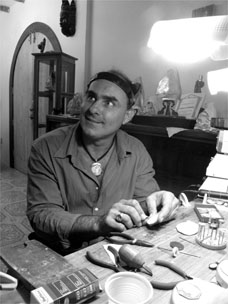
Thanks to the continued effort of my grand father and father Francesco, We have been able to develop and maintain exquisite craftsmanship. During these one hundred and fifty years our production expanded beyond Cameos and Coral, we also include the manufacturing of bracelets, rings and necklaces hand maid, till this day in bolin, gold, and silver each our signed piece are “One of a Kind”.
The attention to details and exquisite craftsmanship of each article is unmistakable. The result of 4 generation of enriching experience, this unique craft and dedicated effort to preserve this traditions of fine workmanship. Our production is still a small one Tammaro provides valuable assistance to meet the need of the buyer.